What to Consider Before Adding a Kitchen Island
A kitchen island can provide extra workspace, seating, storage, and a place for family and guests to gather.
It can also make a kitchen more difficult to use if it is too large or poorly positioned.
Before adding an island, consider how it will affect the entire room.
Make Sure It Fits
A larger island is not always better.
There needs to be enough space to move comfortably around the island, easily open nearby appliances and drawers, and use nearby cabinetry.
An island should improve the layout rather than create narrow walkways or block important areas. In some kitchens, a smaller island or peninsula may work better.
Decide What the Island Needs to Do
Start by determining the island's main purpose.
Will it provide food preparation space? Seating? Storage? A place for entertaining?
An island may also include a sink or cooking surface. These features can affect plumbing, electrical work, ventilation, cabinetry, and lighting.
Knowing the purpose early makes the rest of the design easier to plan.
Consider Seating and Storage
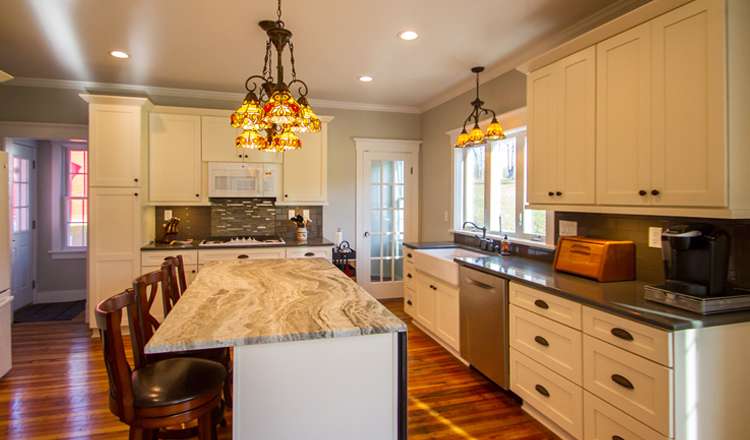
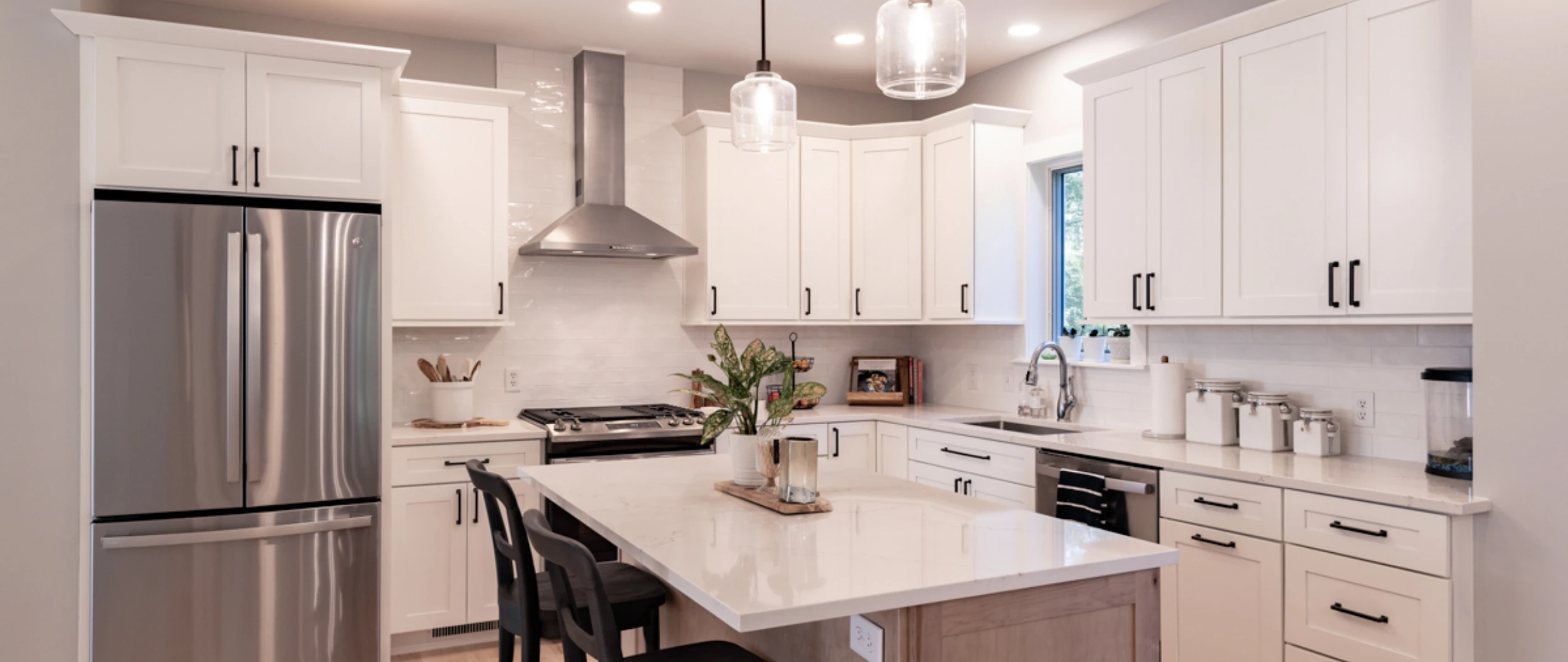
Island seating can be useful for meals, homework, or conversation, but it requires enough room for people to sit comfortably without blocking walkways.
The island can also provide valuable drawers and cabinets for cookware, small appliances, or serving pieces.
Both seating and storage should be planned around how the kitchen will actually be used.
Make It Part of the Design
An island can match the surrounding cabinetry or create contrast through a different finish or countertop.
Whatever the approach, it should complement the rest of the kitchen and nearby spaces.