What to Consider Before Buying Land for a Custom Home
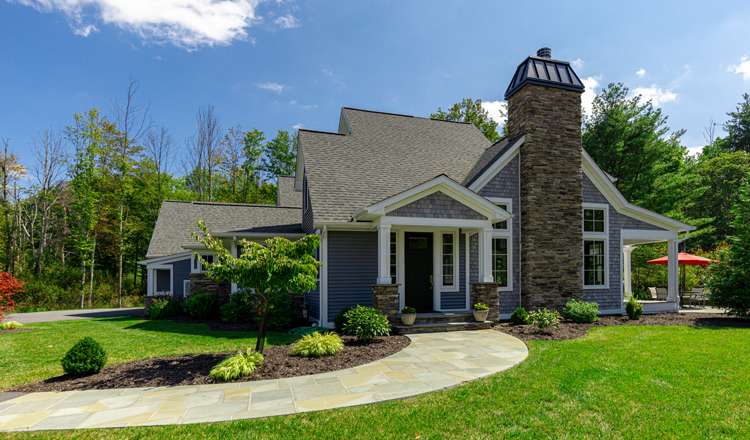
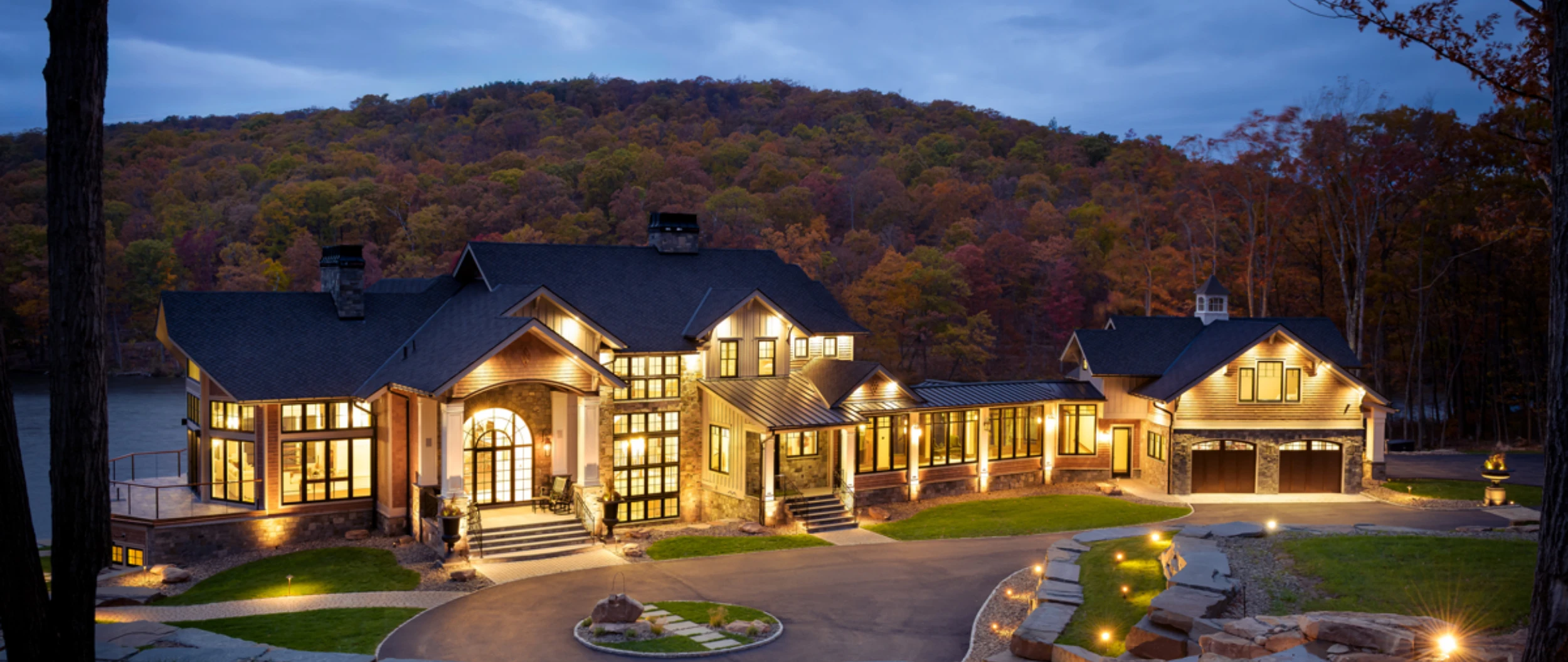
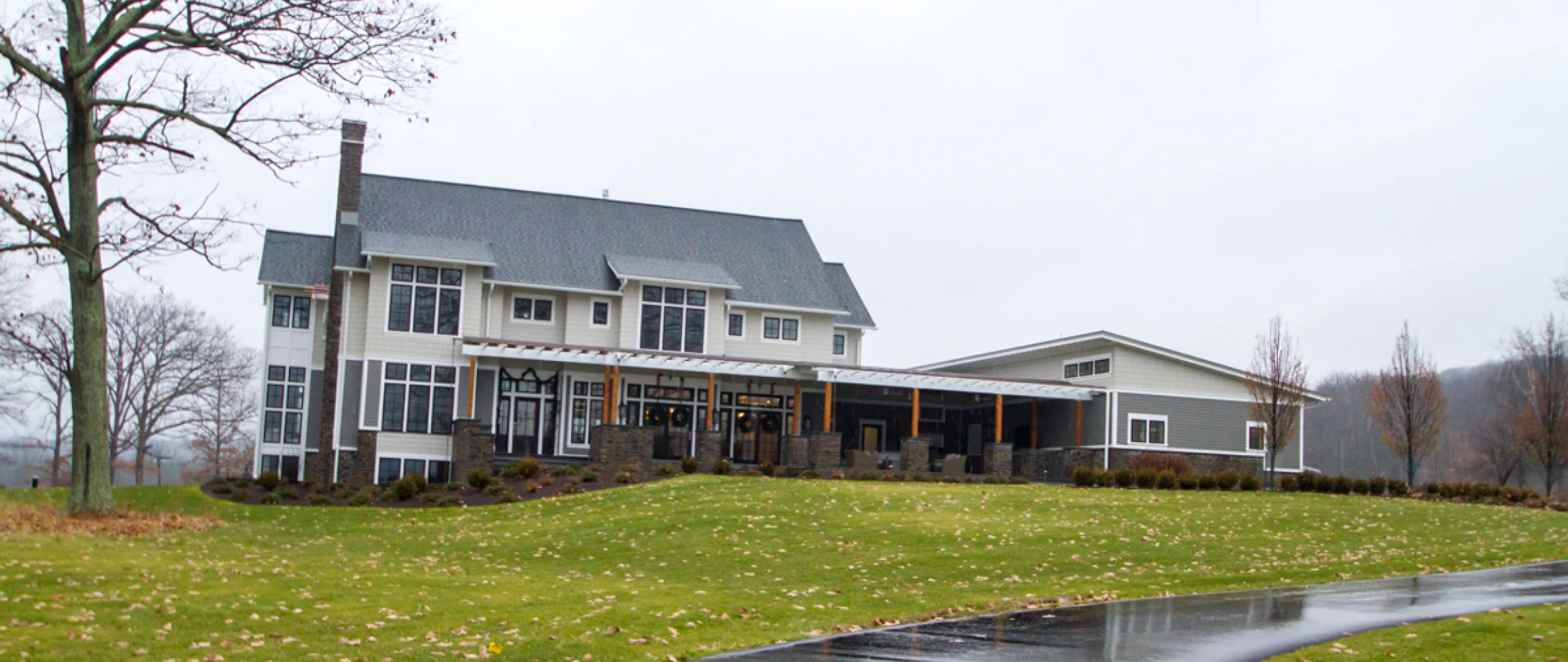
A beautiful piece of land can be exciting, but the lot is more than the backdrop for a custom home. Its shape, slope, access, utilities, zoning, drainage, and orientation can influence what can be built and how much site work may be required.
For homeowners planning a custom home in northeastern Pennsylvania, it is wise to look beyond the view before committing to a property.
Confirm How the Property Can Be Used
Zoning rules and dimensional requirements can affect building placement, height, setbacks, accessory structures, and other aspects of a project. Requirements vary by municipality and property.
Before purchase, homeowners should understand the applicable local rules and whether there are recorded restrictions, easements, or other limitations that could affect the intended project.
Understand Utilities and Site Access
A lot in an established neighborhood may have different utility conditions from a rural or lake property. Water, sewer, electric, gas, communications, and other services need to be evaluated based on what is actually available at the site.
Driveway access also matters. The location and slope of an entrance can affect the home placement and site design.
Study the Topography
A sloped site can create design opportunities, but it can also influence excavation, foundations, retaining conditions, drainage, and driveway design.
A flatter lot has its own considerations. Water still needs to be managed appropriately, and the home should be positioned with the surrounding grade in mind.
Think about Sunlight, Views, and Privacy
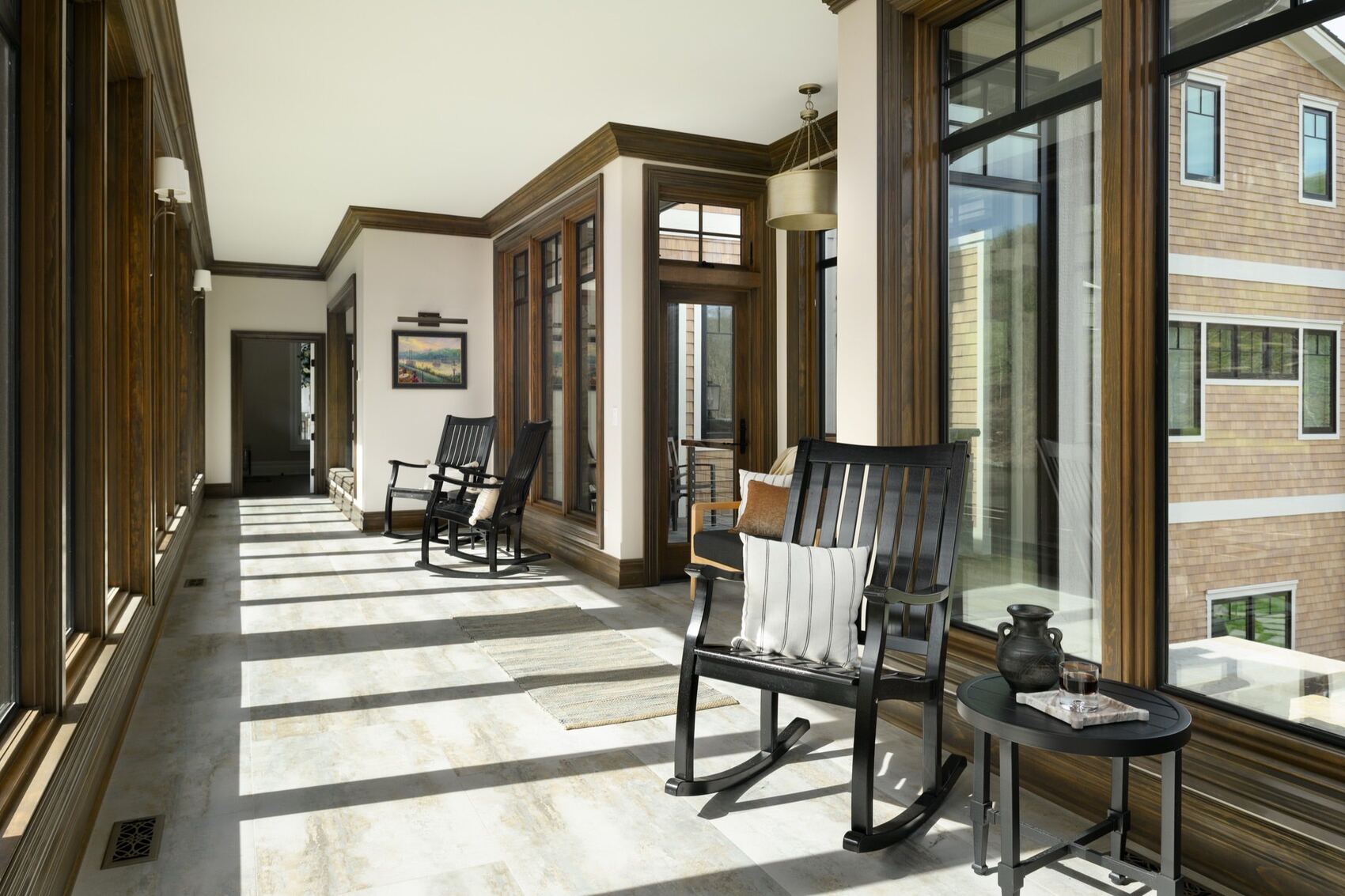
Home placement can affect everyday experience. The direction of important views, neighboring properties, road exposure, and natural light can influence where major rooms and windows belong.